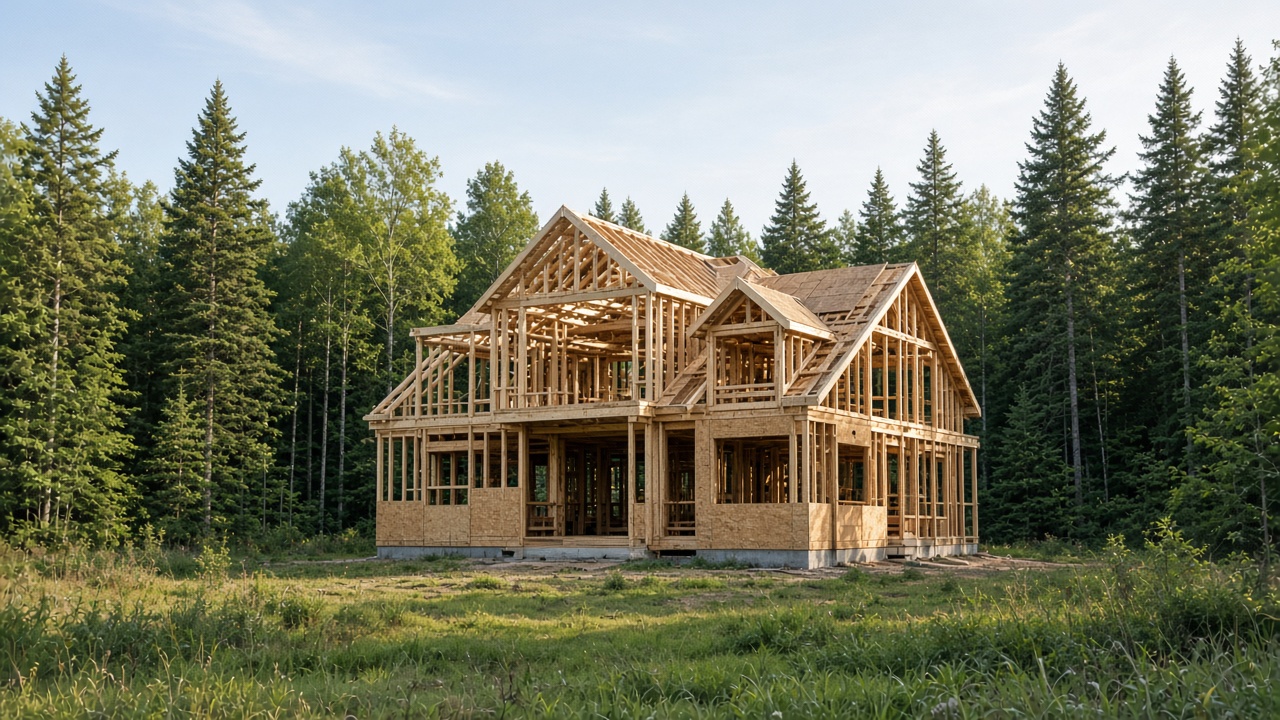
A VA one-time close construction loan can pay for the lot and the build, then become the mortgage when the house is finished. One closing. The builder, the plans, and the appraisal still have to pass.
A VA construction loan finances the land and builds the home on the same loan.
If you are researching how to use your VA loan to buy land and build a home using the VA one-time close construction loan, you're way ahead of most borrowers. These loans are powerful, flexible, and incredibly beneficial for veterans when they're done the right way.
A lot of lenders do not know this loan.
This page walks the process for getting one, the places a build usually stalls, and why the person running the file has to know construction.
Why expertise matters on a VA one-time close
A one-time close is a different loan from a VA purchase. It takes:
A working knowledge of VA guidelines
Construction underwriting
A builder the lender has approved
An appraisal of the finished house
Draw management after closing
Will is a broker. He shops for a lender that does this work. A regular VA purchase approval does not mean that lender builds houses.
VA loan typesand theVA Lender’s Handbookare the rules. The lender’s construction program is the rest. This page is the order of operations, not a commitment to lend and not a rate.
One closing, two closings, or a renovation.
People say “VA construction loan” and mean three different things. The one you want has to be named before anyone prices a house. A VA renovation loan is for an existing house, not a new build.
Piece
One-time close
Two closings
VA renovation
What it is for
A new house
A new house
Repairs on a house you are buying
Closings
One. The construction loan becomes the mortgage.
A construction loan, then a separate mortgage.
One closing on an existing house.
Who does the work
A builder the construction lender approves.
A builder that lender approves.
A contractor the renovation lender accepts.
The value used
The finished house, from plans and the contract.
The finished house, then a new loan later.
The house after the agreed repairs.
When the permanent payment starts
After the build, on the loan you already closed.
After a second closing.
After you buy, on that loan.
The order that keeps the file alive.
The loan fails more often from the sequence than from eligibility. Design the house you can afford, with a builder the lender will accept, before a land deadline is in charge.
01
Get a real read on the budget before you design the house
A construction file needs income, assets, credit, and VA eligibility reviewed far enough that you know what the whole project can cost. A quick “you look fine” is how people draw a house the loan cannot carry. Will shops lenders that actually close VA construction. Many lenders do not offer it at all.
02
Choose a builder the lender will approve
A state license is the start, not the approval. The lender that will close the loan also looks at insurance, financials, and whether that builder has finished financed construction. You can love a builder and still get a no. That answer has to come before plans are treated as final.
03
Turn the idea into plans and a real cost
The loan is based on the project, not a guess. That means house plans, the specifications, and a cost breakdown from the builder. Land, the build, a contingency, and the costs the lender puts in the file all sit in that number. A placeholder is not a budget.
04
Shop the land after the budget is real
If you do not already own the lot, this is the time to look. Signing a land contract first, then trying to force a house onto it, is a common way these files die. You want the approved budget and the builder’s pricing before a seller’s deadline is running. If you already own the land, the deed and survey become part of the file instead.
05
Appraise the house that does not exist yet
The appraiser prices the finished home. The order needs the plans, the construction contract, and either the land contract or the deed and survey. That forecast is what the loan is measured against. If the value comes in short, the choices are cash, a smaller plan, or stopping. A missing contract is how an appraisal comes back useless.
06
Set the terms and close once
Eligible buyers with enough entitlement may not need a down payment. A short appraisal, land you still have to pay for, or a cost the VA loan will not cover can still mean cash at closing. At the closing, the lot is bought or an existing lot loan is paid off, construction money is set aside, and the builder can start. There is not a second mortgage closing after the house is done.
07
Build, then release money as the work is finished
The builder requests draws when a stage is complete. An inspection happens before that money goes out. The lender that closed the loan runs the draws. Will’s job is to put you with a lender that does this work, and to tell you when a stage is stuck.
08
Reconcile what was not spent
Builds carry a contingency, and some loans set interest aside for the construction period. Ask, before you close, what happens to money that is not used. The honest version is in the note: leftover funds reduce what you owe, or they are paid out. Get that answer in writing.
09
Move in on the mortgage you already closed
A one-time close converts to the permanent mortgage without a second closing and without a refinance. Regular payments start on the schedule in your closing documents, after the house is finished. During the build, ask whether you owe interest on the money already drawn. That cost belongs in the budget.
What still has to qualify.
A clean Certificate of Eligibility does not approve the house. These are the pieces a construction file actually has to clear.
YouEligible veteran, service member, or surviving spouse. The Certificate of Eligibility is the proof. You intend to live in the finished house.
The lenderIt has to be a lender that closes VA construction. A regular VA purchase approval does not mean that lender builds houses.
The lotYou already own it, or it is purchased as part of this loan. Access, utilities, and a buildable site still have to work.
The builderLicensed, insured, and acceptable to the lender. Experience with financed construction matters.
The plansDrawings, specifications, and a cost the lender can underwrite. Changes after the appraisal can restart the value.
The appraisalAs-completed value has to support the loan. A gap is cash, a redesign, or a stop.
The feeThe VA funding fee can apply on construction the same way it can on a purchase, unless your COE shows an exemption.
The funding fee, when it applies, can often be financed. An exemption comes from the Certificate of Eligibility. Run the funding-fee calculator for a purchase-style estimate, and read who skips the fee before you assume it is on the loan.
Where these files stall.
A lot goes under contract before anyone has priced the house.
The builder is licensed, and the lender still will not approve them.
The plans change after the appraisal is ordered.
The appraisal goes out without the construction contract or the land paperwork.
The first lender quoted a VA purchase and does not offer construction at all.
Questions to ask before you sign a builder or a land contract.
Get these from the lender that would close the loan, in writing where the answer changes your cost.
Who approves the builder, and how long does that take?
How do draws and inspections work, and who do I call when one stalls?
Do I pay interest on money drawn during the build, and is that interest reserved in the loan?
If contingency money is not used, does it come off my balance?
When is the first full mortgage payment due?
What cash do I still need if the appraisal is short?
Who originates the loan.
Will Smith is an Army veteran and a mortgage broker, NMLS #2288904, with Patriot Pacific Financial Corp., NMLS #1921615. He originates loans in Washington, Virginia, Oklahoma, and Missouri. A build in another state needs a lender who can legally take that application.
Vet2Vet is not the Department of Veterans Affairs, and the VA does not build the house or fund the draws. Will’s job is the order: a lender that closes VA construction, a builder that lender will approve, and a budget you see before you are stuck on a contract.
Call or text 253-380-3727, or send a note from the contact page. Bring whatever you have. A lot, a builder, and a set of plans are useful. None of them are required to start the budget.
Questions people ask before they build.
What is a VA construction loan?
A VA construction loan lets an eligible veteran finance a new primary home. In a one-time close, you close once. That loan pays for the build and then becomes the permanent mortgage. There is no second closing after the house is finished. The lot, the builder, the plans, and the appraisal still have to qualify.
Can I build a house with my VA benefit?
Yes, when you are eligible, you will occupy the finished house, and a lender that offers VA construction approves the project. The VA guaranty is not a promise that every lender, every builder, or every lot will work. Will is licensed in Washington, Virginia, Oklahoma, and Missouri and shops lenders that actually close this loan.
Is a VA construction loan zero down?
It can be. Eligible buyers with enough entitlement may not need a down payment, and VA loans do not charge monthly mortgage insurance. Cash can still be due. A low appraisal, land you still have to buy, closing costs, or a cost the loan will not cover can all require money at closing. The funding fee can also apply unless you are exempt.
Can any builder do a VA construction loan?
No. The builder has to be acceptable to the lender that will close the loan. A license and insurance are the start. The lender also looks at financials and whether that builder has completed financed construction. Pick the builder with that review in mind, not after you have signed a contract you cannot change.
Should I buy the land before I talk to a lender?
If you already own it, the deed and survey go in the file and the land can be part of the project. If you do not own it, get the budget and a builder’s pricing before you put a lot under contract. Signing for land first, then discovering the house does not fit the loan, is a common way these builds fall apart.
How is this different from a VA renovation loan?
A one-time close construction loan builds a new house. A VA renovation loan buys an existing house and can include approved repairs. The contractor, the work, and the after-repair value have to qualify on a renovation. They are different loans.
Is there a second closing when the house is done?
Not on a one-time close. The construction financing converts to the permanent mortgage. A two-close construction loan is a different structure: one loan to build, then a separate mortgage when the house is finished. Ask which one the lender is actually offering before you sign.
What happens if the appraisal comes in low?
The appraisal forecasts the value of the finished house from the plans and the contracts. If that value is short, you can bring cash, change the plan and the cost, or stop. The appraiser needs the plans, the construction contract, and the land contract or the deed. Ordering it without those papers wastes the step.
Next
Start with the budget, not the blueprint.
If the numbers work, the plans can follow. If they do not, you find out before a land contract does.
Army Veteran, husband, father of 4, and three-time VA Homebuyer. Mortgage Broker with Patriot Pacific Financial Corp. NMLS #2288904. Licensed in WA, VA, OK, and MO.